1991 · 155 min · Directed by Priyadarshan
Kilukkam
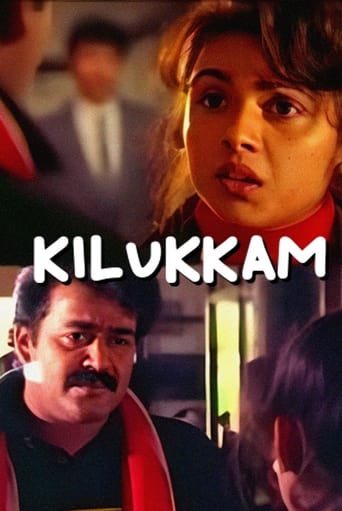
Nandini is an illegitimate child who comes to Ooty in search of her father. She meets Joji, a tourist guide, and pretends to be mentally unstable in order to get shelter in his house. [Read more...]

184 Malayalam films from 1965 to 1999: the comedies, family films and art cinema of a golden age.
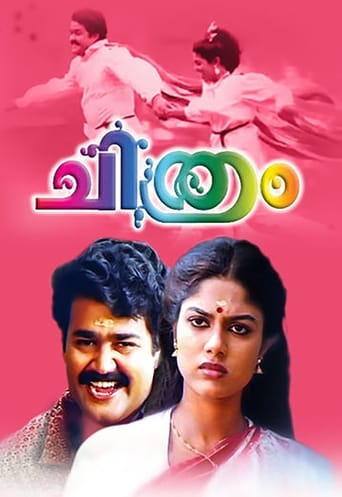
1991 · 155 min · Directed by Priyadarshan
Nandini is an illegitimate child who comes to Ooty in search of her father. She meets Joji, a tourist guide, and pretends to be mentally unstable in order to get shelter in his house. [Read more...]
1988 · 159 min · Directed by Priyadarshan
A young woman is dumped by her boyfriend just before the wedding as she will not be inheriting any wealth from her father. When the girl's father pays her a visit, she hires a man to act like her husband. [Read more...]
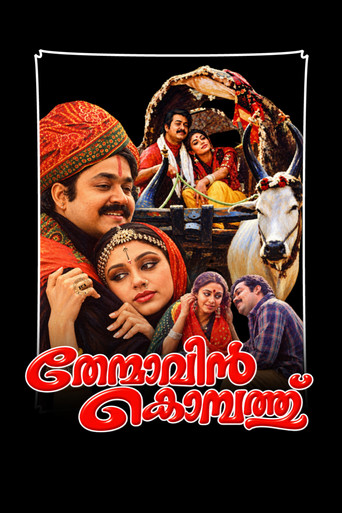
1994 · 164 min · Directed by Priyadarshan
Sreekrishnan unknowingly falls in love with the woman his best friend, Manikyan, loves. Though Sreekrishnan tries his best to woo her, she resists, leading to a battle that ensues between the friends. [Read more...]
Filed Under: Comedy, Family, Love stories
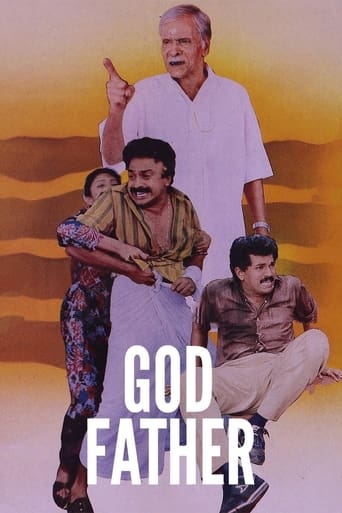
1991 · 150 min · Directed by Siddique
A retelling of William Shakespeare's "Romeo and Juliet", the film revolves around the rivalry between two families, the Anjooran and Anappara houses, and the consequences faced when two members of the families fall in love. [Read more...]
Filed Under: Comedy, Love stories
1991 · 137 min · Directed by Sathyan Anthikad
After his retirement, Raghavan Nair (Thilakan) is back at his home. His long cherished dream to spend his retired life along with his family is thwarted after seeing his two sons brawling each other over their political differences. [Read more...]
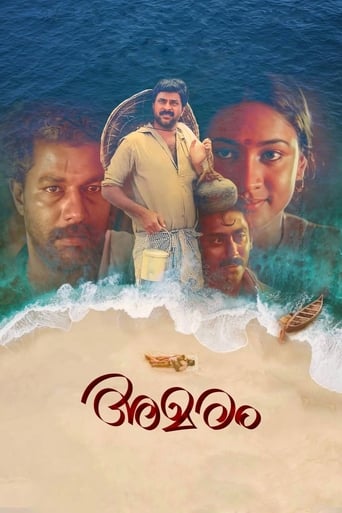
1991 · 136 min · Directed by Bharathan
Achootty, an uneducated fisherman, wants his daughter Radha to be educated and also want her to become a doctor. His dreams get shattered when Radha falls in love with her childhood friend. [Read more...]
Filed Under: Family, Love stories, Mammootty
1989 · 150 min · Directed by Siddique
The story revolves around three unemployed people who get involved in a kidnapping saga due to a case of mistaken identity. [Read more...]
Filed Under: Comedy
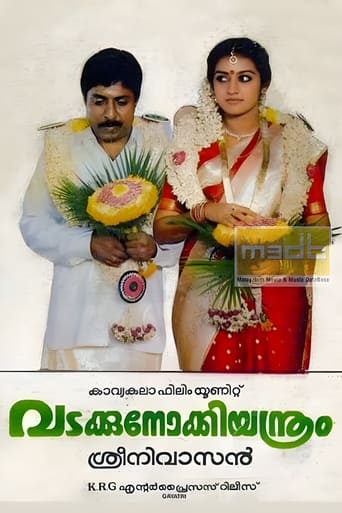
1989 · 121 min · Directed by Sreenivasan
A man with a serious case of inferiority complex is married to a beautiful girl. Soon, his love and care turns into suspicion. [Read more...]
Filed Under: Comedy
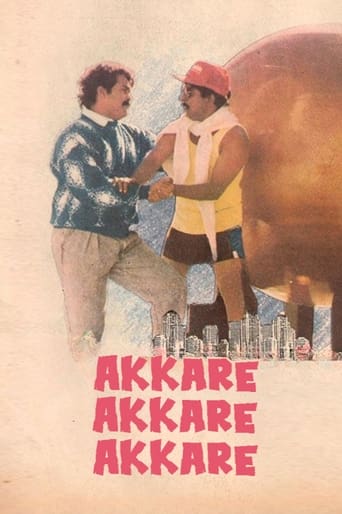
1990 · 150 min · Directed by Priyadarshan
Ramdas and Vijayan are sent on a mission to the US to retrieve a priceless gold crown stolen from India. With a couple of clues, the comic duo embarks on the adventure. [Read more...]
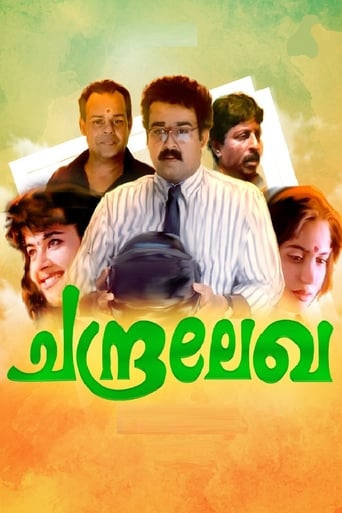
1997 · 172 min · Directed by Priyadarshan
An unemployed man saves a rich woman and takes her to the hospital where her relatives mistake him as her husband. He plays along as he needs money to repay a loan. [Read more...]
Filed Under: Love stories, Mohanlal
Ask anyone from Kerala to name a favourite film, and the answer will very likely come from the fifteen years between 1985 and 1999. In that time a small industry on the south-western coast of India produced a run of comedies so well written that people still recite them line by line, family dramas of rare warmth, and a body of art cinema admired at festivals across the world. Its two great stars, Mohanlal and Mammootty, were at the height of their powers, and a remarkable company of writers, directors and character actors worked beside them. HindMovie is an English guide to that golden age: 184 Malayalam films, from 1965 to 1999, each with its own page, its story in English, its year, its running time and a Watch now button that leads to the official services carrying it in your country.
The catalogue has been chosen by hand for family viewing. It gathers the comedies of Priyadarshan and of Siddique and Lal, the household stories of Sathyan Anthikad, the gentle films of Kamal and Fazil and the classics of the art cinema; the crime and action films of the period belong to other guides.
The sections below are a relaxed tour: how the site is laid out, the comedies, the great partnerships, the stars, the family films, the art cinema and a few plans for a first week. Each section links to a short help page, and the How to watch page sums up the simple steps from an entry to the official service.
HindMovie keeps the look of the site it is named after, which was laid out as a simple, well-spaced blog. The page is white, with a great deal of room around everything. At the top left is the name in large, light lettering, the second word in blue, above a small line of capitals; at the top right is a wide search box with a blue button. Beneath them a dark bar runs across the full width of the page, carrying the menu in white capitals with generous spacing: Home, Movies, Comedy, Family, Mohanlal, Art Cinema, the A to Z list, My List and Help. A thin blue line appears under the link you point at. On a phone, the menu folds into a dark three-line button.
Under the menu, a pale grey band holds the main heading and a line about the catalogue. The home page then divides into two columns, as a blog does. The wide column on the left is a series of entries, one film to each: a small line in grey capitals with the year, the running time and the director; the title in large light type; the poster at the left with the opening of the story beside it, ending in a bold Read more link in square brackets; and a final line beginning Filed Under, which lists the categories the film belongs to. A grey rule separates each entry from the next. After ten entries comes a dark button leading to the full list of films, and then this guide.
The narrow column on the right holds four lists under headings in spaced capitals, each underlined in grey: Categories, with the number of films in each; Top Posts, ten well-loved films; Recent Posts, the ten newest; and Help. The footer is dark, with its links in white capitals.
The arrangement of header, menu, entries and sidebar, the large light type and the blue colour scheme were taken from a saved copy of the original site from October 2019. Its style sheet was lost, so the exact shades follow the published defaults of the theme it used, and the blue of the lettering has been deepened so that it is easy to read. The page works with a keyboard, a screen reader and a small phone screen.
Comedy is where most people begin, and the Comedy category holds 86 films. The Comedy help page names the essentials.
The Malayalam comedy of this period is a writer's comedy. Its heroes are unemployed graduates, small shopkeepers, clerks and bus owners; its jokes grow out of character and situation; and it is acted by a company of players who had worked together for years, on stage and on screen. Jagathy Sreekumar, Innocent, Mukesh, Sreenivasan, Nedumudi Venu, Thilakan, Mamukkoya, Oduvil Unnikrishnan, K. P. A. C. Lalitha, Sukumari and Philomina turn up in film after film, and a line from any of them can still stop a conversation in Kerala.
The director Priyadarshan and the actor Mohanlal were friends from their college days in Thiruvananthapuram, and together they made some of the most popular films in the history of Malayalam cinema. Seventeen of the director's films are listed here, and the Priyadarshan help page arranges them.
Chithram, from 1988, is the film that made the partnership a legend. Kalyani, a wealthy young woman, has been abandoned by her fiancé on the eve of the wedding, and her father, who lives in America and is in poor health, is arriving to spend what may be his last holiday with his daughter and the son-in-law he has yet to meet. A family friend, played by Nedumudi Venu, hires Vishnu, a cheerful stranger played by Mohanlal, to act the part of the husband for two weeks. The two begin by detesting each other. The comedy is glorious, the songs are classics, and the ending, when the truth about Vishnu comes out, has made audiences weep for more than thirty years. The film ran in one theatre for a full year.
Kilukkam, from 1991, is set in the hill station of Ooty. Joji, a tourist guide played by Mohanlal, and his friend Nischal, a photographer played by Jagathy Sreekumar, are scraping a living when a rich young visitor named Nandini, played by Revathi, steps off the train and seems to be entirely out of her mind. They take her in, hoping for a reward from her family, and discover that she has come in search of a father who is unaware that she exists. The scenes between Mohanlal and Jagathy, and Revathi's wide-eyed mischief, are among the funniest ever filmed in India, and Thilakan and Innocent give the story its heart.
Thenmavin Kombath, from 1994, is a romance in a storybook village. Manikyan, a bullock-cart driver played by Mohanlal, and his master Sreekrishnan, played by Nedumudi Venu, fall out when both are drawn to Karthumbi, a spirited girl from a travelling troupe, played by Shobana. The film is a feast of colour, and its cameraman, K. V. Anand, won the national award for it. Minnaram, from the same year, begins as a comedy about a carefree young man who finds a baby on his doorstep and ends in tears, and Midhunam, from 1993, written by Sreenivasan, follows a young man's struggle to open a small biscuit factory against the combined forces of officials, relatives and his own impatient bride.
The earlier films are pure farce. Poochakkoru Mookkuthi, from 1984, was the director's first, a comedy of mistaken identities that set the pattern. Boeing Boeing, from 1985, borrows a famous French stage comedy about a man with three girlfriends who are all air hostesses on different schedules. Odaruthammava Aalariyam, Aram + Aram = Kinnaram, Dheem Tharikida Thom, Mazha Peyyunnu Maddalam Kottunnu and Ayalvasi Oru Daridravasi followed in quick succession, and Thalavattam, from 1986, set in a hospital for troubled minds, showed that the pair could move an audience as well as amuse it. Mukunthetta Sumitra Vilikkunnu, Akkare Akkare Akkare, Chandralekha, in which a penniless man is mistaken for the husband of an unconscious heiress, and Megham, with Mammootty as an army colonel on leave in a village, complete the list.
In 1989 two young men who had worked as assistants and performed in the same comedy troupe directed their first film, and Malayalam comedy changed. The Siddique and Lal help page lists their work.
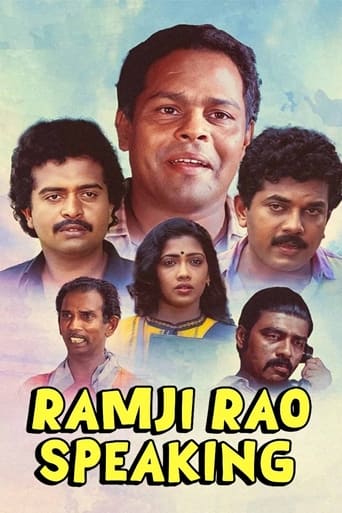
Ramji Rao Speaking has one of the neatest plots ever devised for a comedy. Balakrishnan, an unemployed young man, arrives in the city to claim a job and lodges in a ramshackle house with Gopalakrishnan, who is equally penniless, and their landlord Mannar Mathai, who owns a failing theatre company and is played by Innocent. Their telephone number is almost the same as that of a wealthy businessman, and one night a kidnapper named Ramji Rao rings them by mistake to demand a ransom. The three see a way out of all their debts. The film had unknown faces in every part; it made stars of its cast, was remade in half a dozen languages, and Mannar Mathai Speaking continued the story in 1995.
Godfather, from 1991, ran for more than four hundred days in one theatre, which remains a record for a Malayalam film. Anjooran, a fierce old patriarch played by the playwright N. N. Pillai, has brought up his four sons to keep well away from women, because of a feud with the equally fierce matriarch Aanappara Achamma, played by Philomina. Her granddaughter is told to make the youngest son fall in love with her, as a way of breaking the family apart; the plan works a little too well. It is Romeo and Juliet played for laughter, with Mukesh, Innocent, Thilakan and Jagadish in full flight.
Vietnam Colony, from 1992, sends Mohanlal, as a gentle clerk from a priestly family, into a crowded settlement that his employers want cleared; he is to win the residents' trust, and ends by taking their side. Kabuliwala, from 1993, has Innocent and Jagathy Sreekumar as Kannas and Kadalas, two rag-pickers who live in an abandoned bus and enjoy life thoroughly. After the two directors parted, Siddique made Hitler, from 1996, with Mammootty as a stern elder brother who guards his five sisters so closely that the neighbourhood has given him a dictator's name, and Friends, from 1999, about three inseparable friends and the secret that divides them. Lal turned to acting and production, and Chandranudikkunna Dikhil is one of the films he made as a producer.
The troupe from which the two directors came inspired a film of its own. Mimics Parade, from 1991, is about a company of mimicry artists who come into possession of a toy stuffed with diamonds, and it started a small series of comedies with the same players. Malappuram Haji Mahanaya Joji, Puthukkottayile Puthumanavalan, Tom & Jerry, Mr. Clean, Pai Brothers and Vrudhanmare Sookshikkuka, in which two small-time tricksters disguise themselves as old men, belong to the same lively school.
If Priyadarshan made Kerala laugh, the director Sathyan Anthikad and the writer and actor Sreenivasan made it laugh and think. Sixteen of the director's films are listed here, and the Sathyan Anthikad help page introduces them.
Sandhesam, from 1991, is the sharpest political comedy made in India. Raghavan Nair, played by Thilakan, retires after a lifetime as a railway stationmaster in another state and comes home to enjoy his family. He finds that his two elder sons have become full-time workers for rival political parties, that they live on his pension, and that every meal ends in a debate about affairs in distant countries. Jayaram and Sreenivasan play the brothers, and their arguments are quoted in Kerala at every election. The film takes neither side; its message, delivered by the weary father, is simply that a man should put his own house in order first.
Varavelpu, from 1989, follows Murali, played by Mohanlal, who comes home after seven years of hard work in the Gulf, buys a bus to earn an honest living and is slowly defeated by greedy relatives, awkward employees and endless rules. Thalayana Manthram, from 1990, gives Urvashi one of the great comic roles of her career as Kanchana, a wife whose longing to keep up with her sister-in-law leads her mild husband into debts he is unable to pay. Gandhinagar 2nd Street, from 1986, turns an unemployed graduate, played by Mohanlal, into a pretend Gurkha watchman for a nervous housing colony; Sanmanassullavarkku Samadhanam sets a desperate young landlord against a tenant who refuses to leave; and T. P. Balagopalan M.A. follows a man with a master's degree and a very small salary who supports his whole family.
Sreenivasan also directed two films himself, and both are classics. In Vadakkunokkiyantram, from 1989, he plays Thalathil Dineshan, a plain, awkward man who marries a beautiful woman and is slowly undone by his own doubts; it is a comedy with a serious understanding of an anxious mind. In Chinthavishtayaya Shyamala, from 1998, he plays a village schoolteacher who believes that he is meant for greater things than work, while his patient wife Shyamala quietly keeps the family alive. It won the national award for the best film on social issues.
The director's films with Jayaram are gentler. In Mazhavilkavadi, from 1989, a young man who has been refused his cousin's hand goes off to the temple town of Palani in Tamil Nadu to earn money, and finds work in a barber's shop. Thooval Kottaram, from 1996, follows a cheerful jack of all trades who takes it upon himself to cure a young woman's sadness, with Manju Warrier in one of her first great roles. Irattakuttikalude Achan is about a couple who eloped and the twins who follow, and Veendum Chila Veettukaryangal, from 1999, about a father, played by Thilakan, who lets his unemployed son bring home the girl he loves and then quietly teaches him what a household costs. Kinnaram, Revathikkoru Pavakkutty, Sreedharante Onnam Thirumurivu, Lal Americayil, Golanthara Vartha and a comedy of 1995 in which Mammootty plays a father of two who lives apart from his wife are further chapters of the same long, kindly conversation about ordinary life.
Mohanlal appears in 45 films in the catalogue, and the Mohanlal category gathers them. The Mohanlal help page is a short guide to an actor whom his admirers call simply the complete actor.
He began as a villain, in Manjil Virinja Pookkal, from 1980, and within a few years was the most natural leading man in Indian cinema, able to move from slapstick to heartbreak within a single scene. Bharatham, from 1991, directed by Sibi Malayil from a script by Lohithadas, brought him the national award for best actor. Two brothers from a family of classical singers share a house; the elder, played by Nedumudi Venu, is the celebrated one, and when his voice and his discipline fail him, the younger must take his place on the concert stage and carry a terrible secret through a family wedding. The music, sung by K. J. Yesudas, is among the finest in any Indian film.
Dasharatham, from 1989, by the same director and writer, is the story of Rajiv, a rich, careless bachelor who decides that he wants a child and arranges for one through a surrogate mother, a woman who needs the money to treat her husband; the film is about what each of them learns of love. Pavithram, from 1994, gives him the part of a young man whose mother, late in life, has a baby daughter, and who gives up his own plans to bring the little girl up. In Unnikale Oru Kadha Parayam, from 1987, he is an orphan who looks after a band of street children, and in Uncle Bun, from 1991, a very large and very kind uncle left in charge of three unruly children.
His comedies with Sreenivasan are a chapter in themselves. The two play Dasan and Vijayan, a pair of unemployed friends who become the least competent detectives in India, and Akkare Akkare Akkare, from 1990, sends them to America in search of a stolen gold crown. Aye Auto, from the same year, in which he plays an auto-rickshaw driver in love with a girl from a wealthy house, was a great favourite with children, and Sarvakalashala, Nadodi, Pakshe, Varnapakittu, Vishnulokam, set in a travelling circus, and Ayal Kadha Ezhuthukayanu, in which he plays a writer of cheap thrillers with a bottomless thirst for trouble, show how wide his range was.
The Mammootty category holds 25 films, and the Mammootty help page introduces them. Where Mohanlal seems to act by instinct, Mammootty is a craftsman who builds each part from the voice and the walk upwards, and the two have shared the leadership of the industry for more than forty years as friendly equals.
Amaram, from 1991, directed by Bharathan from a script by Lohithadas, is one of his greatest performances. Achootty is a fisherman on the coast of Alappuzha, an unlettered widower whose whole ambition is that his daughter Radha shall become a doctor. When she falls in love with a young fisherman instead, his world gives way. The sea, filmed in all its moods, is the third character in the story, and K. P. A. C. Lalitha won the national award as a neighbour.
Vatsalyam, from 1993, casts him as Raghavan, a farmer who has worked the family land so that his younger brother can study law, and who is quietly pushed aside when the brother marries into money. Pappayude Swantham Appoos, from 1992, directed by Fazil, is about a father so lost in his work since the loss of his wife that he scarcely sees his small son, until an illness forces him to look. Mazhayethum Munpe, from 1995, directed by Kamal, makes him a college teacher pursued by a headstrong student, and Azhakiya Ravanan, from 1996, a rich man who returns to his village and decides to produce a film, with comic results.
His range in this period is astonishing. In Ponthan Mada, from 1994, directed by T. V. Chandran, he plays a low-caste farm labourer of the 1940s who forms an unlikely friendship with an eccentric Irish landlord, played by Naseeruddin Shah; the performance brought him the national award. In Manu Uncle, from 1988, he is the favourite uncle of a gang of children who witness a theft from a museum, a film that won the national award for the best children's film. Jackpot is set among racehorses, Kizhakkan Pathrose among the fishing boats, Kanamarayathu, from 1984, is taken from the novel Daddy-Long-Legs, and Oridathoru Phayalvaan, Thinkalazhcha Nalla Divasam, Nombarathi Poovu, Anubandham, Neelagiri and Nandi Veendum Varika are from his first decade as a star.
Jayaram, a former mimicry artist with an open, friendly face, became the favourite hero of family audiences in the 1990s, and the Jayaram category holds 45 films. The Jayaram help page picks out the best.
Meleparambil Aanveedu, from 1993, directed by Rajasenan, is the most loved of them. Harikrishnan, the youngest son of a household that consists entirely of men, takes a job in a village in Tamil Nadu, marries a landlord's daughter there and, too frightened to tell his family, brings her home as the new maidservant. Shobana plays the bride who must sweep the yard under the eyes of her unsuspecting in-laws, and Jagathy Sreekumar, Narendra Prasad and Janardhanan are the bachelors of the house. Eleven of Rajasenan's comedies are here, among them Aniyan Bava Chetan Bava, about two rich brothers who both want their driver as a son-in-law, Aadyathe Kanmani, C.I.D. Unnikrishnan B.A., B.Ed, Kadhanayakan, Dilliwala Rajakumaran and Kottaram Veettile Apputtan.
With the director Kamal, Jayaram made Peruvannapurathe Visheshangal, about a newcomer to a village who falls foul of its proudest family, Shubhayathra, about a young couple trying to find a flat in Bombay, Pookkalam Varavayi, about a school-bus driver and a small girl who needs a friend, and Krishnagudiyil Oru Pranayakalathu, a romance at a railway halt. Innale, from 1989, written and directed by Padmarajan, is a quieter film, in which a young woman loses her memory in an accident and begins a new life, and a stranger arrives who knows who she was. Georgekutty C/O Georgekutty, First Bell, Kilukkampetti, Vadhu Doctoranu, Swapna Lokathe Balabhaskaran, about a man who walks in his sleep, Summer in Bethlehem and Friends show him across the decade.
The Family category is the largest on the site, with 106 films, and the Family films help page suggests where to start. The directors Kamal, Fazil and Sibi Malayil were its masters, and their films are gathered with those of Priyadarshan, Sathyan Anthikad, Siddique and Lal and Rajasenan in the Popular directors category, which the Popular directors help page describes.
Fazil's Nokkethadhoorathu Kannum Nattu, from 1984, is the story of Kunjoonjamma, a lonely old widow whom the village children tease, and of the lively granddaughter who arrives one day and fills the house with noise and affection; the girl is hiding the reason for her visit. Padmini, a great star of an earlier generation, played the grandmother, and Nadia Moidu became famous overnight as the girl. Ente Sooryaputhrikku, from 1991, follows a rich, spoilt student in search of the mother she has yet to meet.
Kamal's films are full of young people and small-town life. Thoovalsparsham, from 1990, leaves a baby on the doorstep of three bachelor flatmates. Ee Puzhayum Kadannu, from 1996, is about the youngest of three sisters, who must wait for her elders to marry before she can; Niram, from 1999, is about a boy and a girl who have been best friends since the day they were born in the same hospital, and who are the last to notice what everyone else can see. Paavam Paavam Rajakumaran, Pradeshika Vaarthakal, in which a village cinema owner makes everyone's business his own, and Vishnulokam are earlier.
Sibi Malayil's Summer in Bethlehem, from 1998, is set on a farm in the hills, where five lively cousins descend for the holidays on two friends, one of whom has let his grandparents believe that he owns the place; one of the girls has been sending him anonymous gifts, and he must guess which. Suresh Gopi, Jayaram and Manju Warrier lead the cast, and Mohanlal appears briefly in a scene that nobody forgets. Mutharamkunnu P.O., from 1985, his first film, sends a young postmaster to a village obsessed with wrestling.
Dileep and Manju Warrier, the most popular pair of the late 1990s, are seen in Sallapam, from 1996, about a poor girl who dreams of being a singer, and in Ee Puzhayum Kadannu. Dileep's early comedies include Kalyana Sowgandhikam, Mayaponman, Meenathil Thalikettu, in which a lazy boy of twenty-two finds himself married by accident, Udayapuram Sulthan, Deepasthambham Mahascharyam and Chandranudikkunna Dikhil, and Manju Warrier leads Daya, from 1998, an Arabian tale written by M. T. Vasudevan Nair about a clever servant girl who saves her master's fortune disguised as a boy.
Many other family films reward a look: Malootty, from 1990, directed by Bharathan, about the rescue of a small girl who has fallen into a deep well; Onnu Muthal Poojyam Vare, about a lonely child and a stranger's voice on the telephone; Pookkalam Varavayi; Kuruppinte Kanakku Pustakom; Arjunan Pillayum Anchu Makkalum, about four daughters who feel that their father favours their brother; Amma Ammayiamma; Bandhukkal Sathrukkal; Chakkikotha Chankaran; and Angene Oru Avadhikkalathu, with Sreenivasan as a village schoolteacher.
The For children help page gathers the films made with young viewers in mind. My Dear Kuttichathan, from 1984, was the first film made in India in three dimensions. Three children befriend a small, mischievous spirit who has been kept captive by a cruel magician, and who can walk on the ceiling, make objects fly and turn anything into sweets. It was a sensation, and has been released again several times for new generations.
Kummatty, from 1979, directed by G. Aravindan, is one of the most beautiful children's films ever made. Kummatty is the bogeyman of Kerala folklore, an old wanderer with a white beard, a bag of masks and a song; in the film he arrives in a village, befriends the children and, one day, turns them into animals for a game. All but one are changed back. Filmed in the open air in the villages of northern Kerala, with very little dialogue, it has recently been restored and shown around the world. Manu Uncle, Unnikale Oru Kadha Parayam, Uncle Bun, My Dear Karady, in which a zookeeper who has lost a bear puts on a bear costume himself, and Allauddinum Albhutha Vilakkum, a tale of Aladdin from 1979 with Kamal Haasan and Rajinikanth, are for family evenings too.
While the popular cinema flourished, Kerala also produced film-makers of world rank, supported by a network of film societies in almost every town. The Art cinema category holds 23 of their films, and the Art cinema help page is an introduction.
Chemmeen, from 1965, directed by Ramu Kariat from the novel by Thakazhi Sivasankara Pillai, came first. Karuthamma, the daughter of an ambitious fisherman, loves Pareekutty, a young Muslim trader, and is married to another; the fishing community believes that the sea goddess protects a fisherman only while his wife is faithful. Filmed in colour on the beaches of Kerala, with music by Salil Chowdhury, it was the first film from southern India to win the national award for the best film, and it remains the best known of all Malayalam films.
G. Aravindan, a cartoonist and musician who became a film-maker, has six films in the catalogue. Throne of Capricorn, from 1975, his first, follows an unemployed young man through a series of encounters that test his ideals. The Circus Tent, from 1978, simply watches what happens when a small travelling circus pitches its tent beside a village for three days; it was filmed with a real circus and real villagers, and it stands quite alone. Esthappan, from 1980, collects the stories told about a mysterious fisherman who may be a saint or a rogue. Pokkuveyil is a study of a young poet set to the music of the flute and the sarod, and And There Was a Village..., from 1987, shows what happens to a village of the 1950s when electricity arrives.
Adoor Gopalakrishnan is the most honoured of all Indian directors after Satyajit Ray. Swayamvaram, from 1972, his first film, follows a young couple who have married against their families' wishes and try to make a life in the city; it won the national award for the best film and announced a new cinema. Kodiyettam, from 1978, is the portrait of Sankarankutty, a grown man with the heart of a child who drifts from one village festival to the next until marriage slowly makes him responsible; Gopi's performance won him the national award and a new first name, Bharath. Elippathayam, from 1982, known in English as The Rat Trap, studies the last master of a decaying feudal house, who is unable to act even to save himself; it won a major prize from the British Film Institute. Man of the Story, from 1995, follows one life across forty years of Kerala's history and also won the national award for the best film.
Piravi, from 1989, directed by the cameraman Shaji N. Karun, is about an old father who walks to the bus stop every evening to wait for a son who is due home from college; it was honoured at Cannes and at some thirty other festivals. Panchavadi Palam, from 1984, directed by K. G. George, is a very funny satire about a village council that pulls down a perfectly good bridge so that its president can have a new one named after him.
Between the art film and the popular film stood a group of directors who belonged to both. P. Padmarajan, a novelist, made Oridathoru Phayalvaan, about a wandering wrestler who settles in a village, Thinkalazhcha Nalla Divasam, about a family gathering for an old mother's birthday, Moonnam Pakkam, about a grandfather waiting for his grandson's holiday visit, Nombarathi Poovu, Innale and Njan Gandharvan, from 1991, his last film, a fantasy about a young woman and a celestial musician who comes to earth for her. Bharathan, a painter, made Amaram, Malootty and Keli. Their films are loved by ordinary audiences and admired by critics in equal measure.
The Love stories category holds 60 films. The romances of the period are modest and tuneful: Niram, Krishnagudiyil Oru Pranayakalathu and Summer in Bethlehem have been mentioned; Aye Auto, Mazhavilkavadi, Sallapam and Thenmavin Kombath belong here too. Kanamarayathu, from 1984, follows an orphan girl whose education is paid for by a benefactor she has yet to meet; Ninnishtam Ennishtam, Sukhamo Devi and Yuvajanotsavam, all from 1986, are stories of young love and friendship; Prem Poojari, from 1999, is a musical about a young singer in Madras; and Colours of Love, Mazhayethum Munpe, Minnaram and Chandralekha mix romance with comedy and tears.
Three categories arrange the catalogue by date, and the Year by year help page describes them. The Before 1990 category holds 65 films, from Chemmeen and the art films of the 1970s to the first comedies of Priyadarshan, Sathyan Anthikad's films with Mohanlal, Chithram, Ramji Rao Speaking, Varavelpu and Vadakkunokkiyantram.
The 1990 to 1994 category holds 57 films, and it is hard to think of a richer five years in any film industry: Kilukkam, Godfather, Sandhesam, Bharatham, Amaram, Vietnam Colony, Meleparambil Aanveedu, Midhunam, Vatsalyam, Pavithram and Thenmavin Kombath all appeared in them.
The 1995 to 1999 category holds 62 films, as a new generation arrived: Mannar Mathai Speaking, Hitler, Sallapam, Thooval Kottaram, Chandralekha, Chinthavishtayaya Shyamala, Summer in Bethlehem, Niram, Friends and Veendum Chila Veettukaryangal.
The golden age was above all an age of writers, and their names deserve to be known. Sreenivasan wrote Sandhesam, Varavelpu, Thalayana Manthram, Midhunam, Gandhinagar 2nd Street and Mazha Peyyunnu Maddalam Kottunnu, and acted in most of them, usually as the hero's sharp-tongued friend. Lohithadas, who came from the theatre, wrote Amaram, Bharatham, Dasharatham, Vatsalyam, Malootty, Sallapam and Thooval Kottaram, dramas of ordinary people under pressure, told with deep sympathy.
M. T. Vasudevan Nair, the foremost novelist of Kerala, wrote Vilkkanundu Swapnangal, from 1980, about a young man who goes to the Gulf with false papers in search of work, and the fable Daya. Raghunath Paleri wrote Onnu Muthal Poojyam Vare, Mazhavilkavadi and Meleparambil Aanveedu; Ranjith, later a director, wrote Peruvannapurathe Visheshangal, Summer in Bethlehem and Krishnagudiyil Oru Pranayakalathu; and Dennis Joseph wrote Manu Uncle, which he also directed. The scripts of many of these films have been published as books, and they are read for pleasure.
What gives these films their special flavour is the acting company. Thilakan, a stage actor of great authority, is the father in Sandhesam, the judge in Kilukkam, the grandfather in Moonnam Pakkam and the father again in Veendum Chila Veettukaryangal. Nedumudi Venu, who could play a landlord, a musician or a fool with equal truth, appears in seventeen films here, from Chithram and Bharatham to Thenmavin Kombath. Innocent, with his sing-song Thrissur accent, is in nineteen: Ramji Rao Speaking, Kilukkam, Godfather, Kabuliwala, Dr. Pasupathy, in which he plays a trickster posing as a veterinary surgeon, and Gajakesariyogam, in which he buys an elephant that understands only Hindi.
Jagathy Sreekumar, in eighteen films, is the supreme comedian of the period, at his best in Kilukkam, Meleparambil Aanveedu and Kabuliwala. Mukesh, with twenty-five, is the eternal cheerful friend, the hero of Ramji Rao Speaking, Godfather, Ottayal Pattalam and Malappuram Haji Mahanaya Joji. Among the actresses, Shobana, a classical dancer, appears in fifteen films, Urvashi in eleven and Manju Warrier in nine, and Revathi, Parvathy, Karthika, Lissy, Annie and Divyaa Unni were the heroines of their years. The older actresses, Sukumari, K. P. A. C. Lalitha, Kaviyoor Ponnamma and Philomina, played the mothers, aunts and grandmothers of half the films ever made in Kerala.
There are several ways to find a film on HindMovie, and the Finding titles help page describes each one. The search box in the header accepts a title and shows matching films as you type. The A to Z page lists all 184 films in alphabetical order, the Movies page lists them by popularity, and the Categories list on the home page leads to every shelf.
Malayalam titles are long and musical, and they are spelt in English letters in more than one way, so the first word or two will usually do. Many are phrases: Sanmanassullavarkku Samadhanam means peace to those of good will, Mazha Peyyunnu Maddalam Kottunnu means the rain falls and the drum beats, and Veendum Chila Veettukaryangal means a few household matters once again. A few films are listed under English titles, among them The Circus Tent for Thampu, Throne of Capricorn for Uttarayanam, Man of the Story for Kathapurushan and Colours of Love for Pranayavarnangal, and the well-known comedy Godfather has only its name in common with the American film.
Every film has a page of its own. At the top are the poster, the title, the original Malayalam title, the year, the running time and the rating from viewers around the world. Below come the story in English, the genres, the director and the leading actors, and a row of related films from the same categories. The Watch now button opens a list of the official services that carry the film in your country.
The classics of Malayalam cinema are better preserved than those of many industries. Several streaming services devoted to southern Indian films carry them, a number have been restored, and the owners of many older titles show them free of charge on official channels. English subtitles are available for the most famous films and are being added to others. Availability differs from country to country and changes from month to month, so the list on each title page is the place to look.
If a film interests you but tonight is taken, press Add to My List on its page. Your browser remembers the list for you on that device, and it asks for neither a name nor a password; the My List link in the dark menu bar opens it. The My List help page shows how to remove a film and how to take the list to another device.
For a newcomer, here are seven evenings. On the first, watch Kilukkam and discover why Kerala laughs. On the second, Ramji Rao Speaking; on the third, Sandhesam. On the fourth, change the mood with Amaram. On the fifth, enjoy the colours of Thenmavin Kombath. On the sixth, give the children My Dear Kuttichathan or Kummatty, and on the seventh, sit down to Chithram with a handkerchief.
A second week might hold Godfather, Varavelpu, Bharatham, Meleparambil Aanveedu, Vadakkunokkiyantram, Nokkethadhoorathu Kannum Nattu and Summer in Bethlehem. A third could be given to the art cinema: Chemmeen, Swayamvaram, The Circus Tent, Kodiyettam, Elippathayam, Piravi and Ponthan Mada. And for a fourth, the family films of the late 1990s wait: Hitler, Thooval Kottaram, Chinthavishtayaya Shyamala, Niram, Friends, Veendum Chila Veettukaryangal and Megham.
The songs of these films are part of the daily life of Kerala. They were written by poets, O. N. V. Kurup, Kaithapram, Gireesh Puthenchery and Bichu Thirumala, and composed by Raveendran, Johnson, M. G. Radhakrishnan, Ouseppachan, Vidyasagar and S. P. Venkatesh, in a style closer to classical music than the film songs of other regions. The voices are those of K. J. Yesudas, whom Kerala calls the celestial singer, K. S. Chithra, M. G. Sreekumar and Sujatha.
Several films are built around music: Bharatham, with its classical concerts; Sukhamo Devi, about an introverted singer, Sallapam and Prem Poojari are here; and the songs of Chithram, Kilukkam, Thenmavin Kombath, Summer in Bethlehem and Niram are known to every Malayali. The background scores of Johnson, in films such as Amaram and Njan Gandharvan, are admired by musicians.
HindMovie is assembled with care. Before a film is listed, its story, its certificate and its reviews are read by a person, and films too violent or too adult for a family evening are passed to other guides. The descriptions are plain and short, the years and running times are compared with the public film databases, and the posters are the official ones. The categories and the lists on the home page are rebuilt each time the catalogue is refreshed.
HindMovie is a guide and keeps neither films nor downloads. Watch now takes you to an official, licensed service, and that is how the studios, the families of the film-makers and the archives that look after these classics are supported.
HindMovie is an English guide to 184 classic Malayalam films made between 1965 and 1999. Each film has a page with its story, year, running time, director and cast, and a Watch now button that leads to the official services carrying it in your country.
Start with Kilukkam, Ramji Rao Speaking, Sandhesam, Amaram, Thenmavin Kombath and Chithram. The first-week plan in the guide suggests many more.
Yes. Every film is chosen by hand for a family audience, with an emphasis on comedies, family dramas, love stories and the classics of the art cinema.
They are the two leading stars of Malayalam cinema, both active since about 1980. HindMovie lists 45 films with Mohanlal and 25 with Mammootty from their golden years.
The best-known classics have English subtitles on official services, and more are being added. The services listed on each title page show the languages they provide.
Films from 2000 onwards are listed in two sister guides. HindMovie covers the years up to 1999.
Press Add to My List on the page of any film. The list is kept by your own browser, free of charge, and the My List link in the menu bar opens it.
HindMovie is a guide only. Every Watch now button leads to an official, licensed service.